
Neurodiversity as a Strength: A New Way of Seeing Learning
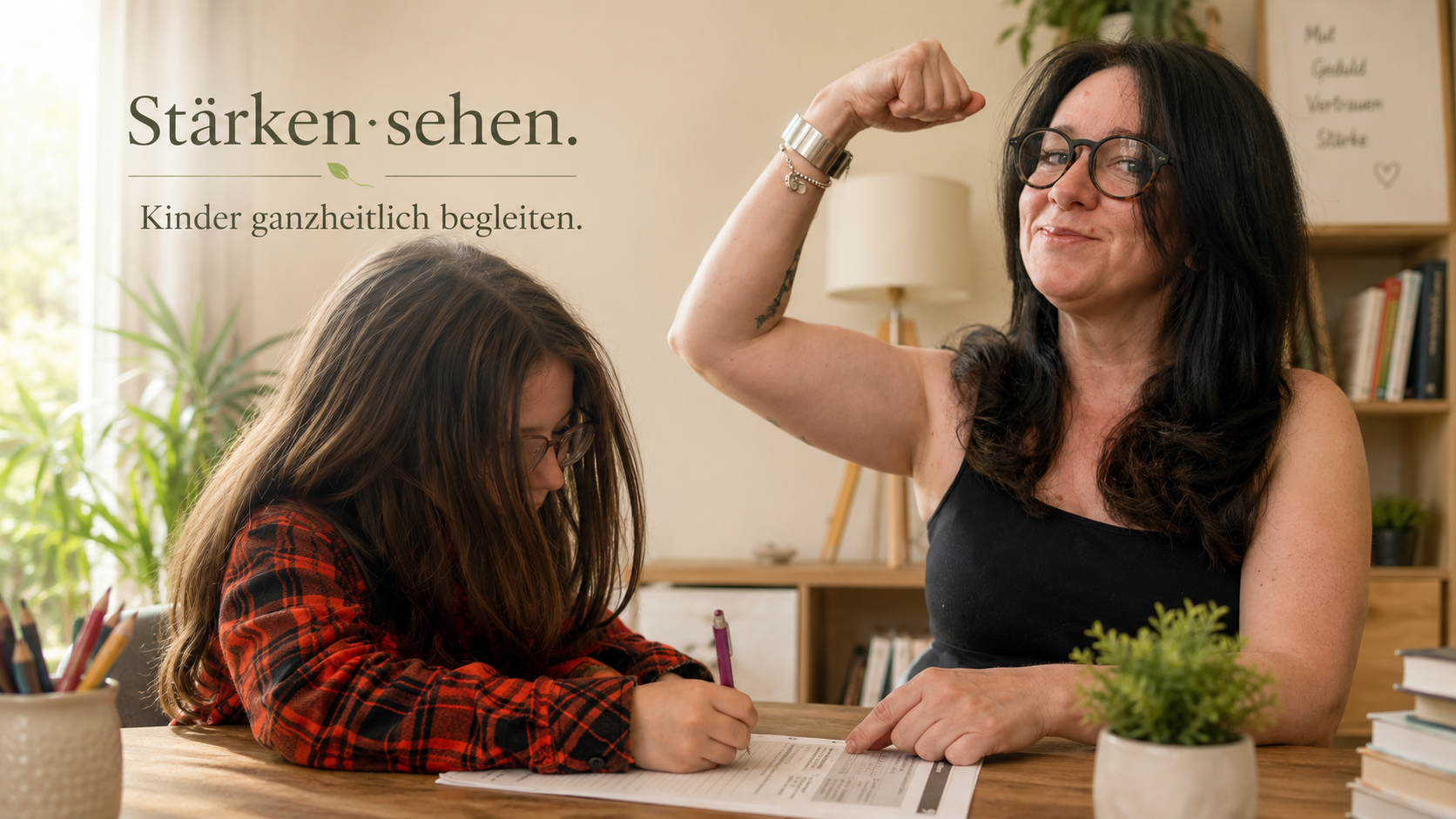
Neurodivergent children bring special perspectives, creativity and ways of thinking. It's time to recognise these strengths — instead of only focusing on deficits.
What Does Neurodiversity Mean?
Neurodiversity describes the natural diversity of human brains. Children with dyscalculia, dyslexia, ADHD or autism think and learn differently — not worse. Their brains process information in their own way, which is often not recognised or appreciated in standardised school systems.
Strengths of Neurodivergent Children
- Above-average creativity and imagination
- A particular eye for detail or the big picture
- Strong empathy and emotional depth
- Unconventional problem-solving strategies
- Intense interest in specific topics (hyperfocus)
- Visual and holistic ways of thinking
Why School Often Doesn't Fit
Our school system is designed for one specific type of learner: sit still, listen, read, write, pass tests. For many neurodivergent children, this is exactly the biggest hurdle. Not because they can't learn — but because the method doesn't match their brain.
If a child can't learn the way we teach, we should teach the way the child learns.
— Inspired by Ignacio Estrada
How Parents Can Nurture Strengths
- Take interests seriously — even when they seem unusual.
- Avoid comparisons — every child has their own pace.
- Name strengths — say regularly what your child does well.
- Create the right environment — low-stimulus, structured, but flexible.
- Find allies — teachers, therapists, other parents.
Many famous personalities — from Einstein to Greta Thunberg — are or were neurodivergent. Their way of thinking wasn't a deficit but often the key to their greatest strengths.
Neurodiversity is not an illness and not a problem that needs to be solved. It is a different way of thinking, feeling and perceiving the world. When we understand that, doors open.
Related Articles
More insights on learning therapy and neurodiversity
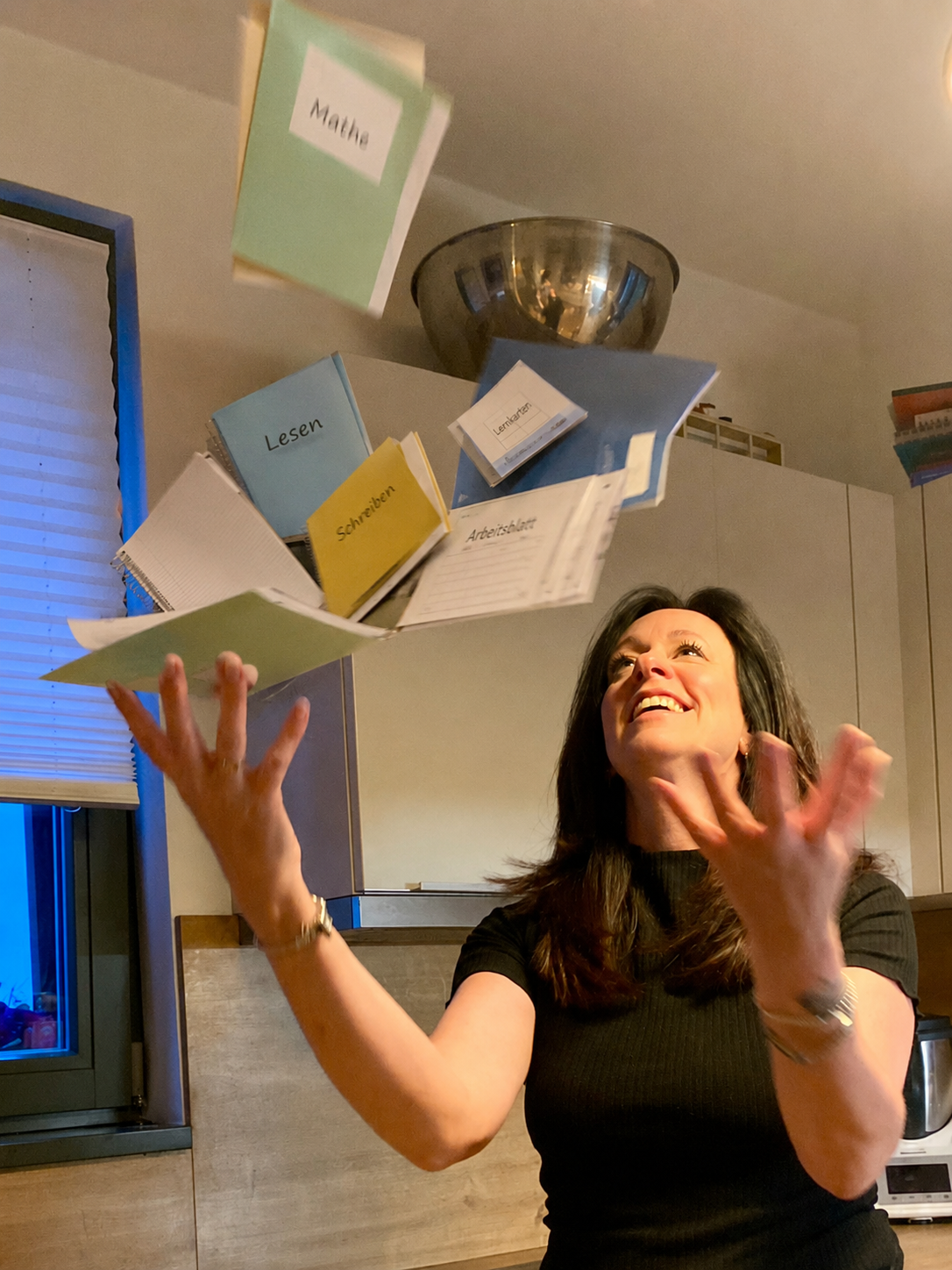
Because My Daughter Learned Differently: Recognising Dyscalculia
A personal and strength-based perspective on numbers, symbols and individual learning paths.
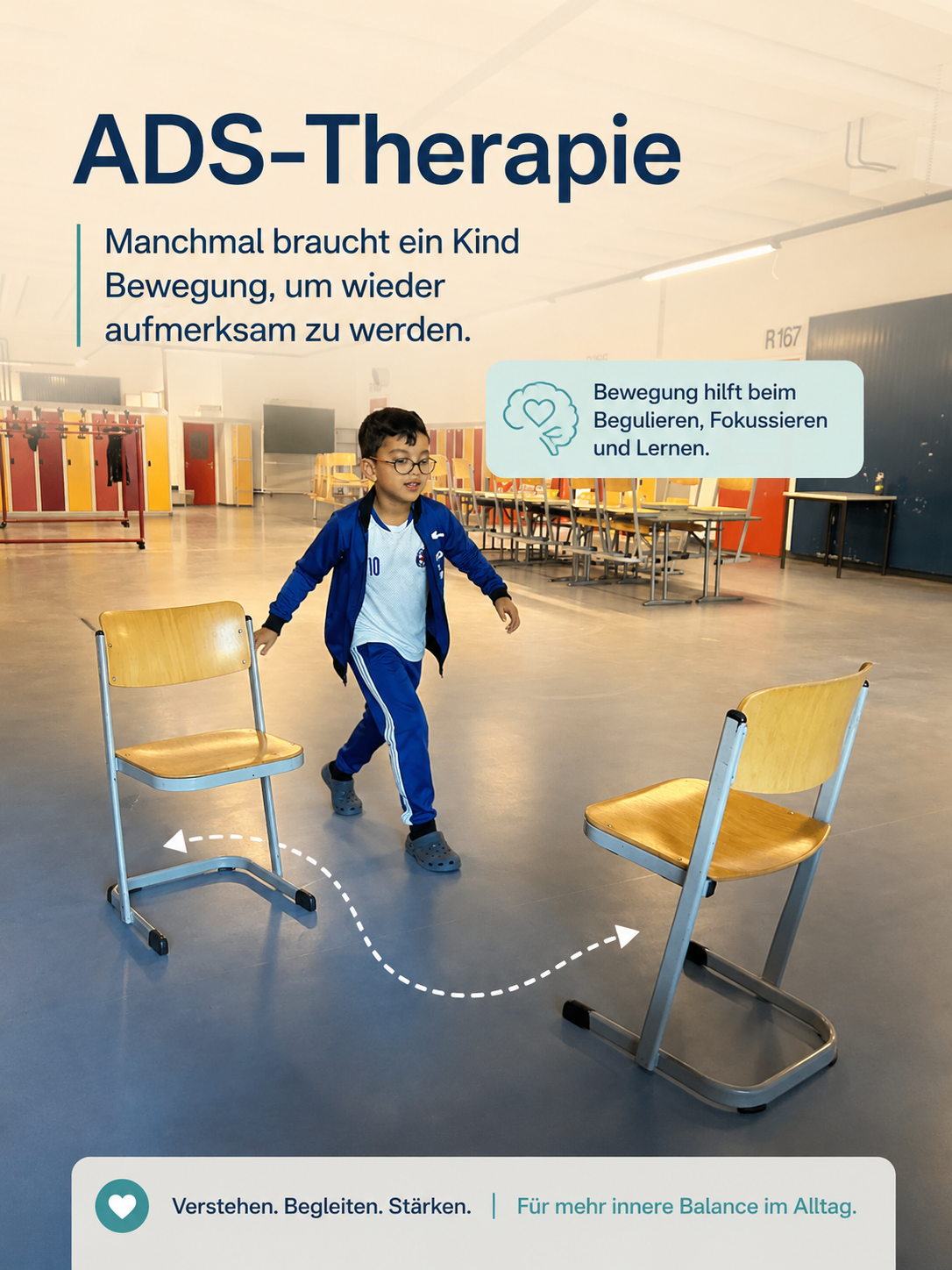
ADD/ADHD in Learning Therapy: Why Relationship Often Comes First
Children with ADD/ADHD need more than concentration exercises — they need relationship, trust and a space where they're allowed to be who they are.

When Is Learning Therapy the Right Step? A Parent's Guide
Tutoring no longer enough? Find out when professional learning therapy is the right decision.
Have Questions?
If you're unsure whether your child is affected, or if you'd simply like to learn more — I'm here to help. The initial consultation is free and without obligation.
Or call directly: 0171 / 292 88 14