Children with ADD or ADHD rarely come to learning therapy with just “learning problems”. They come with a whole story — with experiences of being overwhelmed, rejected, and often with the feeling: something must be wrong with me.
ADD/ADHD Doesn’t Look the Same in Every Child
One child is impulsive and quickly frustrated. Another seems dreamy and absent. A third can concentrate for hours on favourite topics but falls apart with schoolwork.
What looks like defiance from the outside is often overwhelm.
Relationship Before Performance
Children with ADD/ADHD first need a safe relationship before learning becomes possible. When a child senses: “I’m allowed to be who I am here” — trust develops. And trust is the foundation of every learning process.
Creativity as an Entry Point
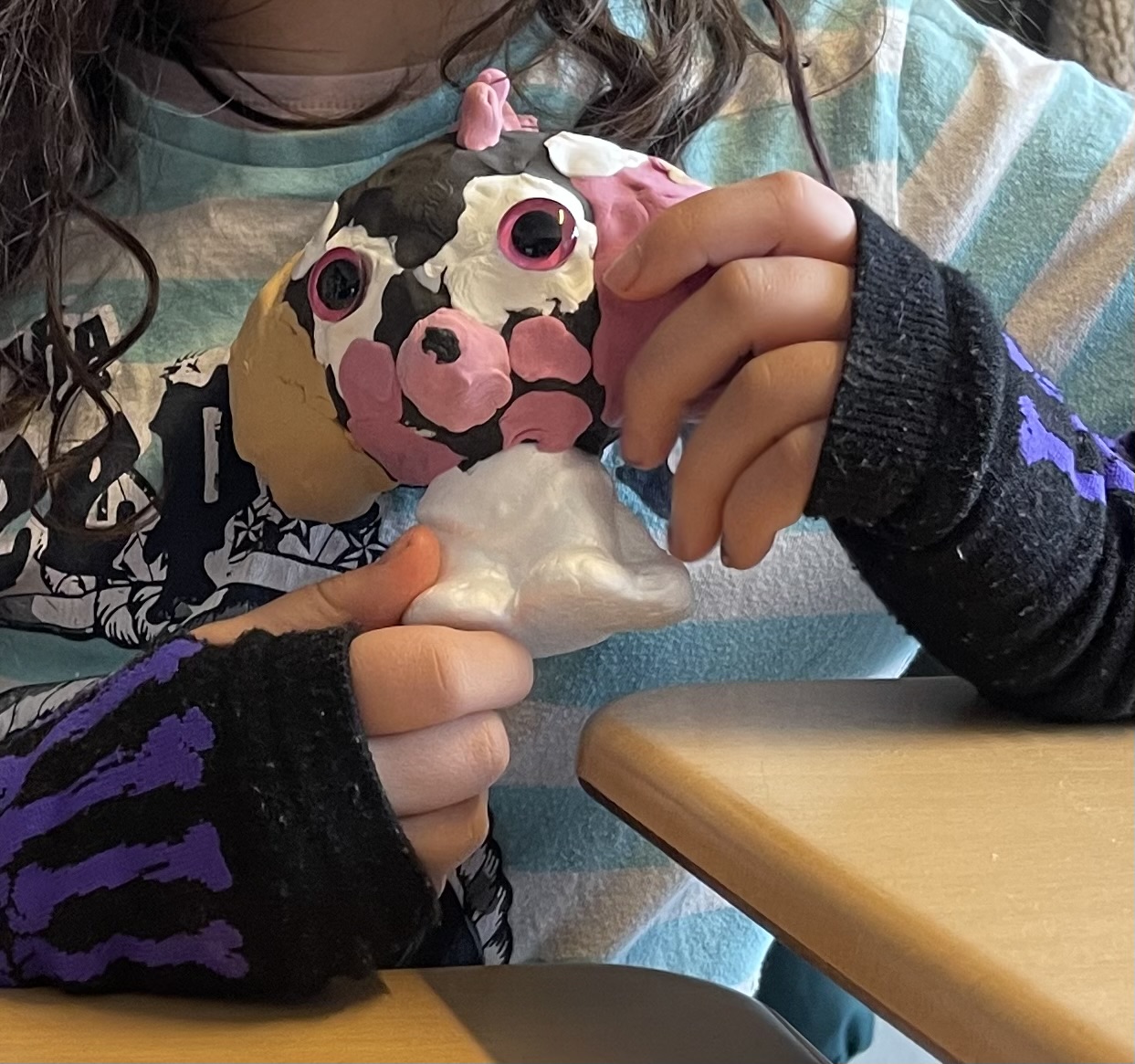
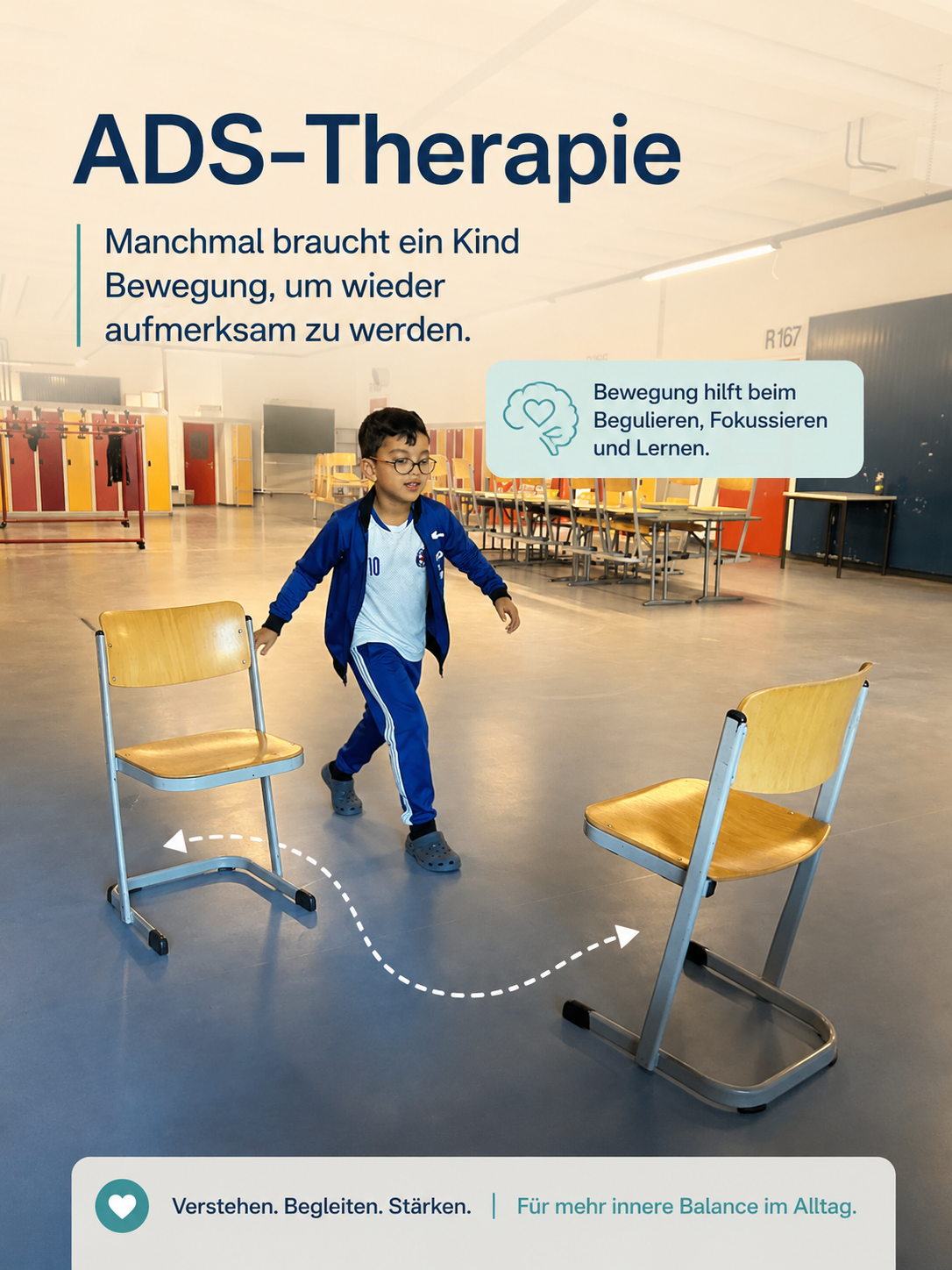
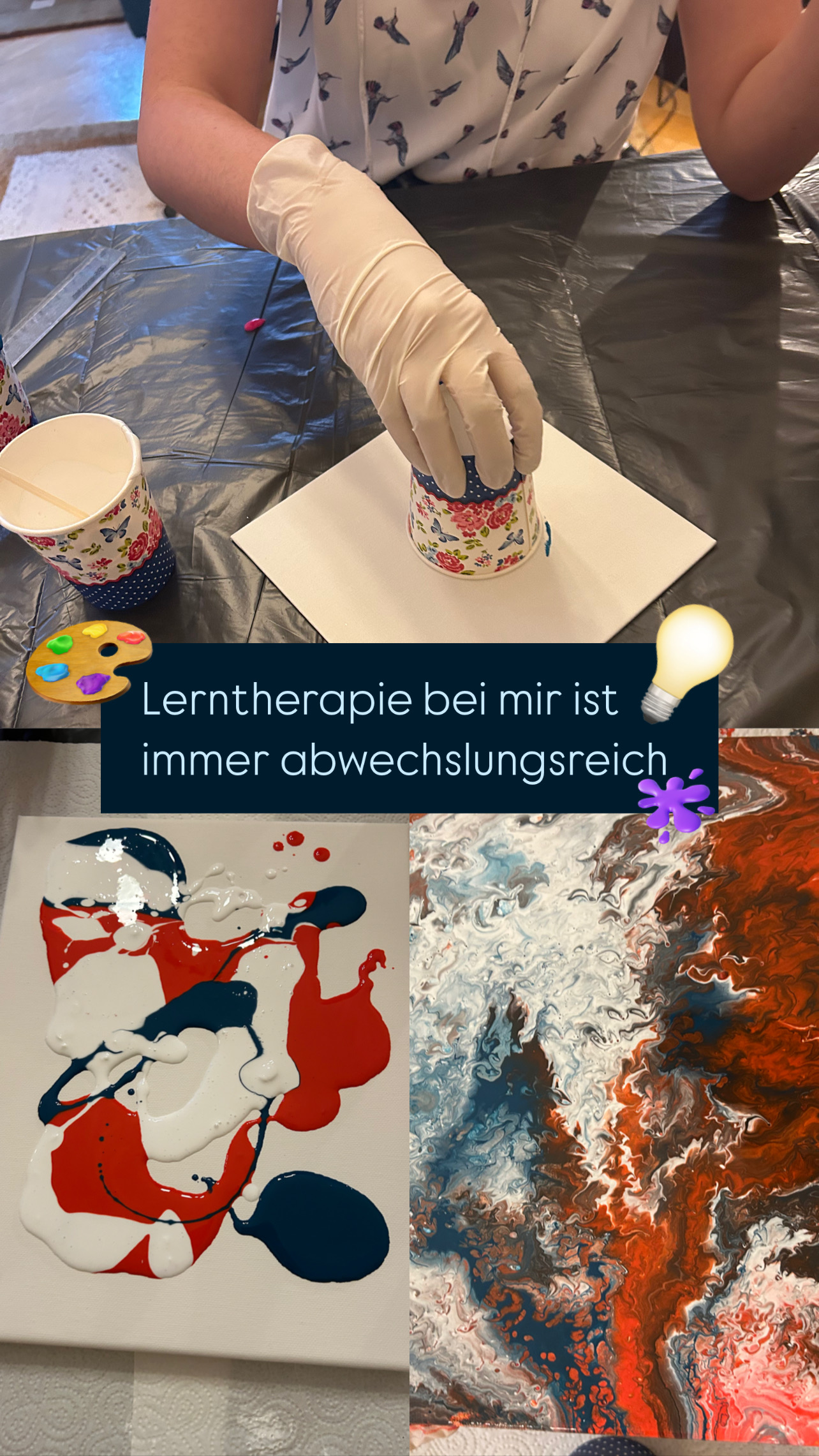
Sometimes learning paths emerge through movement, drawing, building or humour. I want to find out: How does this child learn? What motivates them? Standard materials often don’t work — but when you find a creative way in, doors open.
Technically it’s learning therapy for my child, but without your support I wouldn’t have got this far.
— A parent
Parents Need Support Too
Many parents arrive exhausted and uncertain. They love their child, but they’re tired. They need someone who doesn’t judge them — someone who strengthens them.
Seeing the Whole Child
Learning therapy for ADD/ADHD doesn’t only mean working on concentration. It means seeing the whole child — with strengths, creativity and their need for safety and recognition.
Understanding instead of pressure. Structure instead of strictness. Relationship instead of lectures. And above all: someone who believes in their strengths.
My work often begins where others only see the problem. I let children arrive. I look for their strengths. Step by step, development emerges.